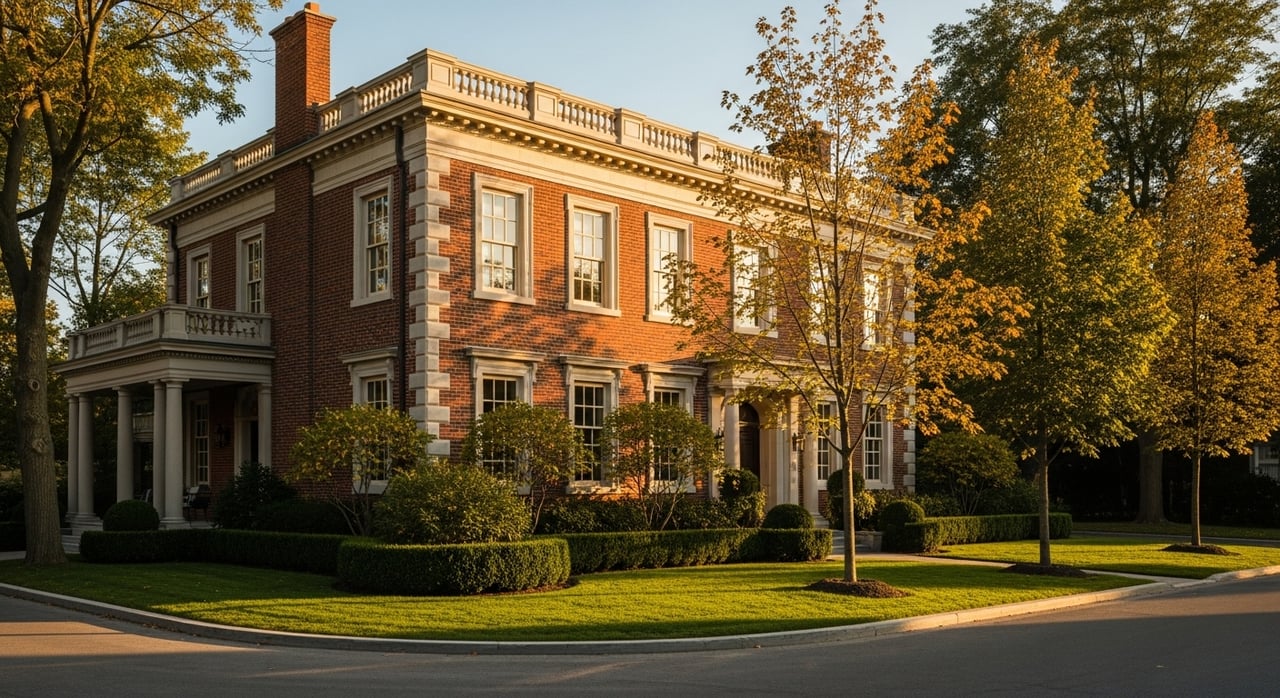
Selling a heritage home in Old Oakville calls for a thoughtful plan. The right preparation, pricing, and marketing can turn character and history into clear advantages. This guide walks you through how to confirm your property’s status, prepare it for market, price for rarity, and manage offers to a smooth closing.
Selling a Heritage Home in Old Oakville
Old Oakville’s lakefront streets and historic blocks are protected by heritage policy that helps preserve the area’s charm. Parts of the neighbourhood fall within Heritage Conservation Districts, including the long-standing Old Oakville HCD and the First and Second Street HCD. Boundaries, guidelines, and permitted alterations are defined by the Town’s heritage planning documents and by-laws as outlined by the Town of Oakville. With the right approach, you can showcase your home’s unique features while giving buyers the confidence they need to act.
What follows is a practical roadmap: confirm status, gather documents, prep the property, price with precision, market the story, handle offers, and close on time.
Confirm Heritage Status and Guidelines
Identify status and restrictions
Start by confirming exactly how your property is recognized under the Ontario Heritage Act:
- Listed on the municipal heritage register but not designated
- Individually designated under Part IV of the Act
- Inside a Heritage Conservation District under Part V
Designation is set by municipal by-law, which includes a Statement of Cultural Heritage Value or Interest and identified heritage attributes. These attributes are what future alterations must respect according to Oakville’s heritage planning framework.
Recent changes to provincial rules created time limits on the length of time properties can remain listed without designation. In response, the Town launched a Heritage Designation Project and is actively moving many listed properties to full designation. The provincial timeline to act has been extended to January 1, 2027, so some owners may see status updates during this period per the Town’s program overview.
Gather records and approvals
A well-organized document package reduces uncertainty and speeds decisions. Pull together:
- Your designation by-law and Statement of Heritage Attributes, or your HCD plan and guidelines if you are in a district Town documents available here
- Any Cultural Heritage Evaluation Report or Heritage Impact Assessment prepared for the property Town resources
- Heritage permit history, drawings, approvals, and receipts for conservation work permit info
- Copies of any conservation easement or restrictive covenant registered on title, plus a recent title search about conservation easements
- Records of Town heritage grants if applicable grant program details
Set expectations for changes
If your buyer plans alterations, they will need clarity on what is likely feasible. In Oakville, owners must obtain a heritage permit before altering identified attributes for designated properties, and demolition has special review. Properties that are only listed do not require a heritage permit for alterations, but they do trigger added notice rules for demolition per the Town’s permit guidance. Demolition permits for residential properties are typically timed with replacement building permits to manage continuity in the streetscape Town demolition guidance.
Be ready to describe what work has been approved in the past, what the district plan encourages, and how the permit process works. When in doubt, refer buyers to Heritage Planning for case-by-case answers.
Prep the Property the Right Way
Prioritize repairs over renovations
Focus on safety, building envelope, and systems before cosmetic changes. A clean pre-list punch list protects your price and keeps deals together:
- Address roof, drainage, and masonry pointing where needed
- Service HVAC and plumbing
- Repair sticking windows or loose stairs without removing original features
- Refresh paint with heritage-appropriate tones that let the details shine
For designated properties, consult the heritage guidelines before changing visible materials. If a repair touches a protected attribute, plan for a heritage permit application steps here.
Document condition and materials
Create a simple property dossier with date-stamped photos of exterior elevations, trim profiles, windows and doors, original flooring, fireplaces, and millwork. Add notes on materials and known updates. This reduces buyer uncertainty and shows stewardship.
Consider pre-list inspections
A pre-list home inspection helps you avoid late surprises and gives serious buyers the confidence to write firm. For older wiring, arrange an electrician’s assessment and check for an ESA notification or Certificate of Acceptance if work has been done. Knob and tube, if present, is a hot-button topic for lenders and insurers, so proactive assessment is smart see ESA guidance. If you suspect asbestos or lead, consult specialists and share test reports as appropriate. Transparent disclosure builds trust and protects your negotiation position home inspection context and hazard testing context.
Price for Rarity and Demand
Build a custom comparative set
Direct comps are rare for heritage properties. Expand the look-back window and weigh heritage-caliber sales across Old Oakville and nearby lakefront pockets. Adjust for lot size, architectural integrity, street appeal, and proximity to the lake and downtown. Use the district plan and designation by-law to understand which features truly set your home apart.
Quantify provenance and features
Documented history, architect attribution, original materials in good condition, and a record of permitted conservation work are powerful value signals. Include plaques, archival research, and permit history in your package. Academic work on Ontario markets has found that designated properties often perform in line with or above the broader market and can be resilient in downturns, though pricing should always be grounded in local comps and current demand see study summary.
Anticipate buyer pool and timelines
Your likely buyer values walkability, lake access, and craftsmanship. They also want clarity on future flexibility. Expect requests for longer due diligence or expert inspections. With strong positioning and a full document set, you can keep momentum while maintaining price discipline.
Market the Story, Not Just the Specs
Narrative-driven listing copy
Lead with the lifestyle and the legacy. Tie the home’s design details to daily living: morning light in the front parlour, quiet gardens, a short walk to the lake and downtown. Explain the heritage context in clear, calm language, and point buyers to the Town’s guidelines where appropriate without making promises. If your property is within the Old Oakville HCD, mention it and provide the relevant plan in the data room district plan reference.
Photography and virtual tours
Use natural light, balanced angles, and sequences that highlight period details and flow. Avoid over-editing that hides textures like hand-finished plaster or original wood grain. A measured, elegant tour helps buyers appreciate scale and craftsmanship.
Staging that respects character
Blend contemporary furnishings with heritage features so the home feels both timeless and livable. Scale rugs and seating to celebrate trim heights and window proportions. Keep sightlines open to fireplaces, staircases, and millwork. Small touches like period-appropriate hardware and layered textiles create warmth without distracting from the architecture.
Manage Offers and Conditions
Common inspection and financing terms
Expect thorough inspections, electrical and HVAC assessments, and due diligence on insurance. Be ready with your inspection reports, ESA documentation, and receipts. Ontario law requires disclosure of known latent defects that make a property unsafe or uninhabitable, and material facts should be disclosed in writing to keep the deal clean RECO guidance.
Negotiating heritage-specific questions
Buyers may ask for clarity on future alterations. Keep answers factual and refer to the designation by-law or HCD plan. If a buyer intends to apply for a heritage permit post-closing, provide contacts and typical review timelines. If a conservation easement or covenant is registered on title, disclose the document and ensure the buyer understands it binds future owners about easements.
Closing milestones and timelines
Work with your lawyer to run a fresh title search for encumbrances such as easements and covenants Land Registration Act reference. Confirm whether any open heritage permits need final inspections prior to closing. If demolition or major alterations are part of a negotiated plan after closing, remind the buyer of the Town’s demolition review practices and timing with replacement permits Town demolition info.
Why Hire a Heritage‑Savvy Agent
Strategic marketing reach
A premium result comes from targeted exposure to the right buyer segments. That includes affluent local families, Toronto and international move-up buyers, and heritage enthusiasts who value original craftsmanship. A heritage-aware strategy blends neighbourhood outreach, private network previews, and polished digital campaigns.
Trusted vendor network
Heritage listings often call for specialists. Your agent should coordinate conservation-minded trades, professional stagers, architectural photographers, and inspectors who understand older systems. This team helps you address risk early and present the home with confidence.
End-to-end coordination
From document gathering and permit history to disclosure, negotiation, and closing, strong coordination protects price and reduces friction. If you want a white-glove experience grounded in Old Oakville expertise, connect with Raymond Pace to plan your sale.
Your Next Steps to List with Confidence
- Confirm status. Pull your designation by-law or HCD plan and any heritage reports.
- Prepare the property. Complete key repairs, line up inspections, and build a clean disclosure package.
- Price with precision. Use a custom comp set and highlight provenance.
- Market the story. Showcase lifestyle, craftsmanship, and verified documentation.
- Manage the deal. Anticipate conditions, answer heritage questions clearly, and keep timelines tight.
Ready to position your Old Oakville heritage home for a premium result with less stress? Book a Private Consultation with Raymond Pace for a tailored strategy, vendor coordination, and a polished marketing plan that respects your home’s legacy and maximizes its value.
FAQs
What area is considered “Old Oakville” for heritage purposes?
- Old Oakville includes the downtown lakefront neighbourhoods with the Old Oakville Heritage Conservation District and the First and Second Street HCD. The Town’s materials outline boundaries and guidelines for these districts see the Town’s overview.
How do I know if my home is designated or just listed?
- Check the municipal heritage register and your property’s designation by-law if applicable. The Town explains the difference between listed and designated, and what each status means for alterations heritage planning overview.
Do I need a permit to renovate a designated home?
- If the work affects identified heritage attributes, you need a heritage permit. The Town’s Heritage Planning team can confirm scope and process. Listed properties do not need heritage permits for alterations, but demolition has added notice permit information.
Can demolition be approved in Old Oakville?
- Demolition is subject to additional review for properties on the municipal register, with timing often tied to replacement permits. Discuss timelines with Heritage Planning and Building Services early Town demolition guidance.
What should I disclose to buyers of an older or designated home?
- Disclose known latent defects, material facts, title encumbrances such as easements or covenants, and provide your heritage documents and permit history. Clear disclosure helps deals close on time RECO guidance.
Are there grants for conservation work in Oakville?
- Yes. Oakville offers matching heritage grants for designated properties, subject to eligibility and timelines. Keep your approvals and receipts to document completed work grant program.
Will heritage status hurt my sale price?
- Research on Ontario markets shows many designated homes perform at or above the broader market, though pricing still depends on local comps and condition study context. A tailored strategy and full documentation are key.
What about older wiring like knob and tube?
- Arrange an electrician’s assessment and check for ESA documentation. Some lenders and insurers require updates or proof of safety. Address this early to avoid delays ESA guidance.