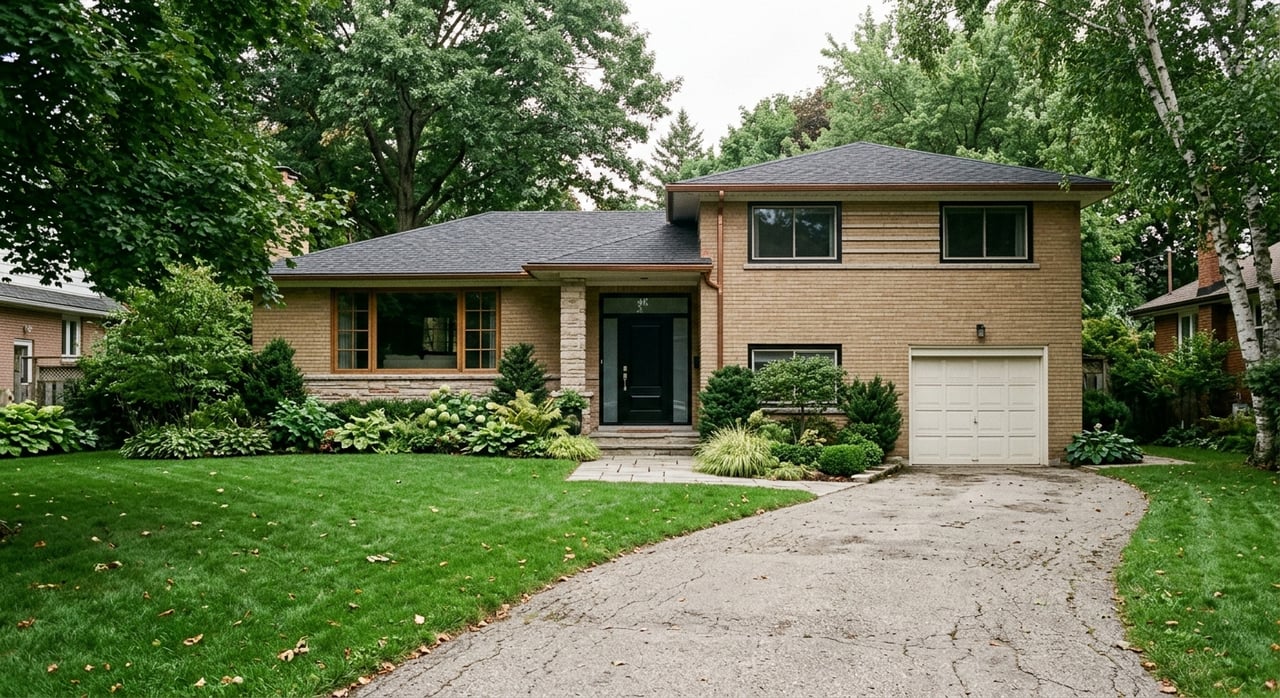
Wondering whether your original West Oakville home is a renovation opportunity, a rebuild candidate, or better sold just as it sits? You are not alone. Many owners of older bungalows and side-splits in West Oakville face this exact choice, especially when the lot may be worth as much as, or more than, the home itself. This guide will help you think through the decision with a clear, local lens so you can compare value, risk, and next steps with more confidence. Let’s dive in.
Why This Is a Big Decision
In West Oakville, original homes are often evaluated as both a house and a piece of land. That matters because MPAC’s residential assessment model considers factors like age, major renovations or additions, exterior square footage, location, lot dimensions, and construction quality.
For many older properties, the real question is not just, “What is the house worth today?” It is also, “What can this lot reasonably support under current rules?” When the existing home no longer represents the site’s highest and best use, buyers may place more value on redevelopment potential than on the structure itself.
Why Lot Value Matters in West Oakville
Original homes in established parts of Oakville often sit on lots that are attractive to end users, builders, or investors. If the existing layout feels dated, the footprint is limited, or the home needs major structural work, the lot can become the main driver of value.
That does not automatically mean a teardown is the right move. It means you need to look at the house and the site together. A solid home on a strong lot may still be worth renovating if the finished result can compete well with nearby properties.
Start With Zoning and Local Rules
Before you make any big plans, you need to understand what the property can actually support. In south Oakville, the Town’s current low-density residential review applies to RL1 to RL11 zones, including -0 suffix zones south of Dundas Street, and addresses rules such as driveways, yards, encroachments, lot coverage, landscaping, setbacks, height, and dwelling depth.
That means the right answer for your home depends heavily on the parcel’s exact zoning and lot characteristics. A project that looks simple on paper can become more complex if it does not fit the by-law as written.
Design compatibility matters too
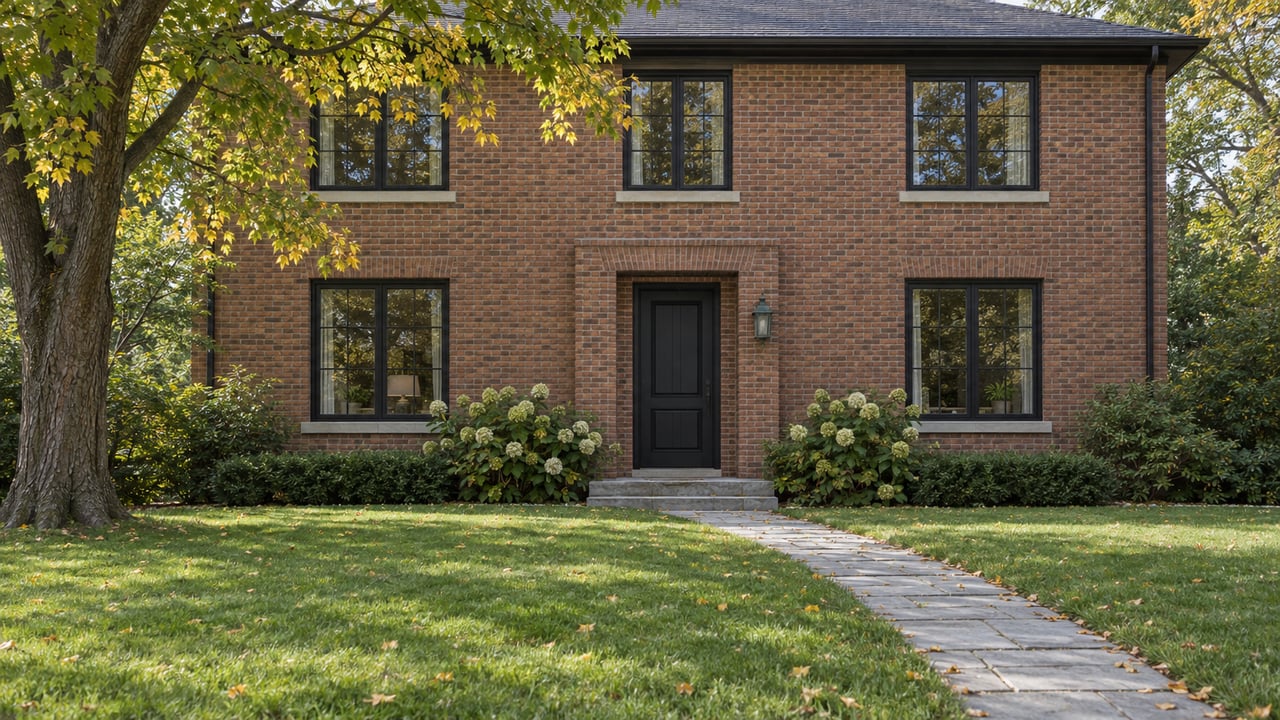
For replacement homes and major additions, Oakville’s Design Guidelines for Stable Residential Communities are especially important. These guidelines focus on compatibility with the surrounding scale, massing, height, architectural character, lot pattern, setbacks, and street edge.
In practical terms, a rebuild or major addition is not just about what you want to build. It is also about how that proposal fits with the existing streetscape and neighborhood pattern.
Some projects need more approvals
If your proposal does not fully comply with the zoning by-law, you may need a minor variance. In some cases, consent through the Committee of Adjustment may also be required.
If the property is designated or located within a heritage conservation district, a heritage permit may be required before alterations begin. This is one reason why early due diligence is so important before you commit to a renovation budget or demolition plan.
When Renovating Makes Sense
Renovation often makes the most sense when the structure is fundamentally sound and the layout can be improved without fighting the by-law. It can also be the best option when you want to preserve some of the home’s existing character while updating it for today’s market.
Oakville notes that most renovation, construction, or demolition projects require a building permit, though some minor or cosmetic items generally do not. Painting, cabinet replacement, and simple driveway resurfacing are examples that generally do not require a permit, while additions, window enlargement, underpinning, and many structural changes do.
Renovation can improve marketability
MPAC specifically treats age as a factor that can be adjusted for major renovations or additions. Since its model also weighs lot dimensions, location, and construction quality, meaningful upgrades can help the home align more closely with what buyers expect in the area.
Still, renovation has limits. Cosmetic changes alone usually do not solve a poor floor plan, inefficient lot use, or a finished home that still feels out of step with surrounding properties.
Watch for related permits
If your renovation affects grading, trees, a driveway, or earth-moving, a separate development engineering permit may also be needed. This can affect both timing and budget, so it is wise to factor it in early.
When Rebuilding Makes Sense
A teardown and rebuild usually offers the highest upside when the lot is strong and the existing house adds limited value. This path can unlock a more efficient floor plan, updated construction, and a home designed to better match current buyer expectations.
At the same time, rebuilding is usually the most complex option. It involves more approvals, more carrying costs, and more exposure to timeline changes.
Demolition is not a one-step process
Oakville says a demolition permit can be applied for at any time, but it can only be issued once the replacement building permit is ready to be issued. That is an important detail because it means demolition is tied to the replacement plan.
If redevelopment follows demolition, development charges are determined at building permit issuance. Oakville also notes that demolition credits can apply against future development charges for five years from the demolition permit date.
Extra costs can add up fast
In addition to building permit requirements, education development charges may also apply at permit issuance. Site work involving grading, driveway changes, tree protection, and earth-moving can trigger separate development engineering permits.
This is why rebuild decisions should be based on net outcome, not just resale potential. The more approvals and municipal costs involved, the more carefully you need to model the final numbers.
When Selling As-Is Makes Sense
Selling as-is can be the best move if you want a cleaner timeline, less risk, and no construction management. This option lets the market price the property in its current condition while allowing builder or investor buyers to assess the lot’s future potential for themselves.
For these buyers, value often comes down to lot dimensions, frontage, zoning, and the likelihood of building a compliant replacement with little or no relief from the by-law. If a severance or new lot plan is part of the vision, consent to sever land is handled through the Committee of Adjustment.
Selling as-is is about net proceeds too
Many owners focus first on the highest possible sale price. A better question is which path gives you the strongest net result after renovation costs, permit fees, development charges, carrying costs, and approval risk are taken into account.
An as-is sale may produce a lower headline number than a successful rebuild, but it can also remove months of uncertainty, design work, permit coordination, and construction exposure. For some sellers, that tradeoff is absolutely worth it.
How MPAC Fits Into the Decision
MPAC updates records through building permits and inspections, which helps keep property assessments current. That means major renovations or a new build can affect how the property is assessed over time.
This does not mean you should avoid improving a property. It means you should evaluate the full financial picture. The real test is whether the added value created by the work is large enough to justify the added time, cost, and municipal process.
A Simple Way to Compare Your Options
If you are deciding between renovating, rebuilding, or selling as-is, it helps to compare each path side by side.
| Option | Best Fit | Main Benefit | Main Risk |
|---|---|---|---|
| Renovate | Sound structure, workable layout, solid by-law fit | Improves usability and marketability without starting from scratch | Spending does not always fix fundamental layout or lot issues |
| Rebuild | Strong lot, limited value in existing house | Highest upside potential | More approvals, higher carrying costs, more complexity |
| Sell As-Is | Owner wants simplicity, speed, or lower risk | Cleaner exit with fewer moving parts | May leave future upside to the next owner |
Questions to Ask Before You Decide
Before choosing a path, ask yourself a few practical questions:
- Is the existing structure sound enough to justify renovation?
- Can the home be improved without major zoning challenges?
- Does the lot support a replacement dwelling that is likely to fit Oakville’s rules and design guidelines?
- Are you prepared for permit timelines, carrying costs, and project management?
- Are you focused on maximum upside, or on a simpler and more predictable outcome?
The right answer is rarely one-size-fits-all. In West Oakville, the best strategy usually comes from matching the property’s zoning, lot, condition, and market position to your own timeline and financial goals.
If you own an original home in West Oakville, this is where a local, property-specific review can make a major difference. The most successful decisions are grounded in real numbers, local planning realities, and a clear understanding of what buyers are likely to value most.
If you want help weighing your options and positioning your property for the strongest possible outcome, connect with Raymond Pace for a private consultation.
FAQs
Should you renovate an original West Oakville home?
- Renovating an original West Oakville home often makes sense when the structure is sound, the layout can be improved effectively, and the finished home will still compete well with surrounding properties.
What approvals might a West Oakville rebuild need?
- A West Oakville rebuild may involve a building permit, demolition permit, possible minor variance or Committee of Adjustment approvals, and in some cases development engineering permits or heritage-related approvals.
How does Oakville zoning affect a renovate-or-rebuild decision?
- Oakville zoning affects lot coverage, setbacks, height, dwelling depth, driveways, and related development standards, which can directly shape whether renovation or rebuilding is more practical.
Is selling a West Oakville home as-is a smart option?
- Selling a West Oakville home as-is can be a smart option if you want to avoid permits, construction timelines, carrying costs, and approval risk while still capturing the property’s current market value.
Can major renovations change property assessment in Oakville?
- Major renovations or a new build can influence property assessment because MPAC uses building permits and inspections, along with factors like age, lot dimensions, location, square footage, and construction quality, to keep records current.