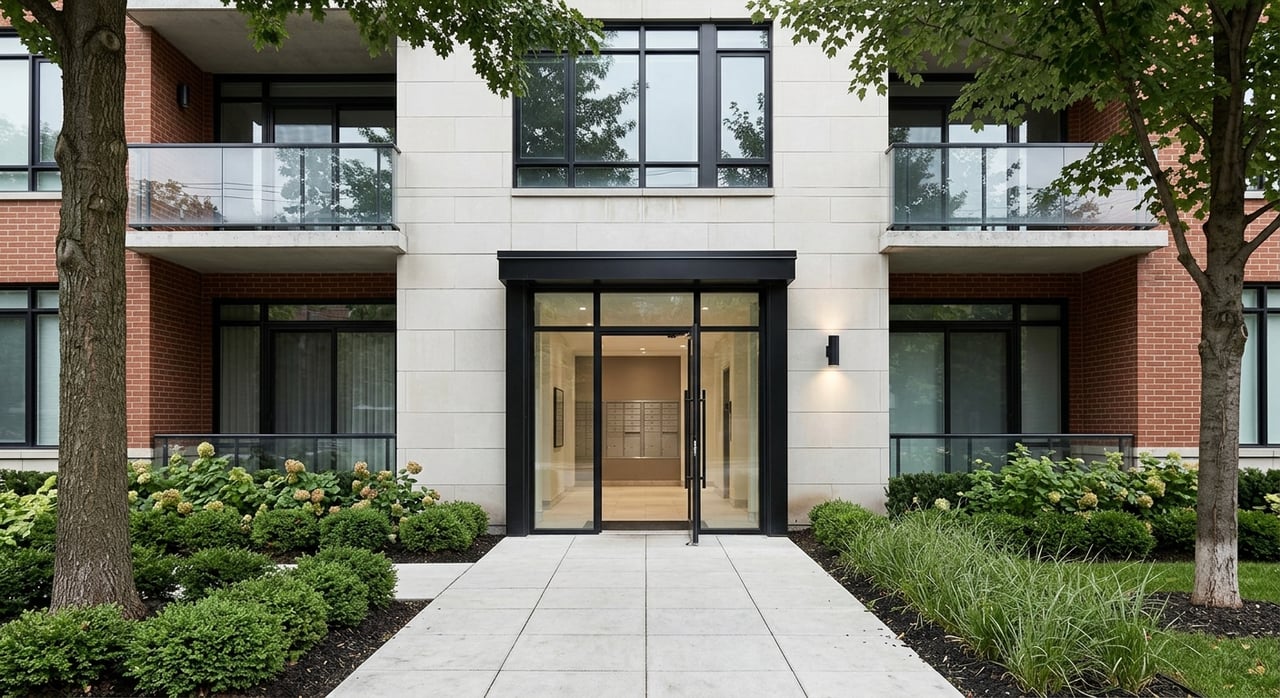
Choosing between a condo and a freehold home in Central Oakville is not just about square footage. It is about how you want to live, how much control you want, and what kind of monthly costs feel manageable to you. If you are weighing convenience against flexibility in one of Oakville’s most established lakeside areas, this guide will help you compare the trade-offs with more confidence. Let’s dive in.
Why Central Oakville Stands Apart
Central Oakville has a different feel than many other parts of town. In practical terms, buyers often mean the inner-core area around Downtown Oakville, Kerr Village, and Old Oakville when they talk about Central Oakville.
The town describes Downtown Oakville as a lakeside shopping district and Kerr Village as a vibrant main-street area. Old Oakville and Downtown Oakville are also heritage conservation districts, which adds character but can also affect renovation planning for some properties.
Lifestyle matters here because the area is more walkable and more connected than lower-density neighbourhoods. Oakville’s Transportation Master Plan supports walkable, cycling-friendly, and transit-friendly communities, and the town’s parking system includes monthly permit parking in Downtown Oakville and Kerr Village.
That means your decision is not just condo versus house. It is also about whether you want a more car-light lifestyle near shops, restaurants, and the lake, or whether you prefer the space and autonomy that usually comes with a freehold property.
Condo Living in Central Oakville
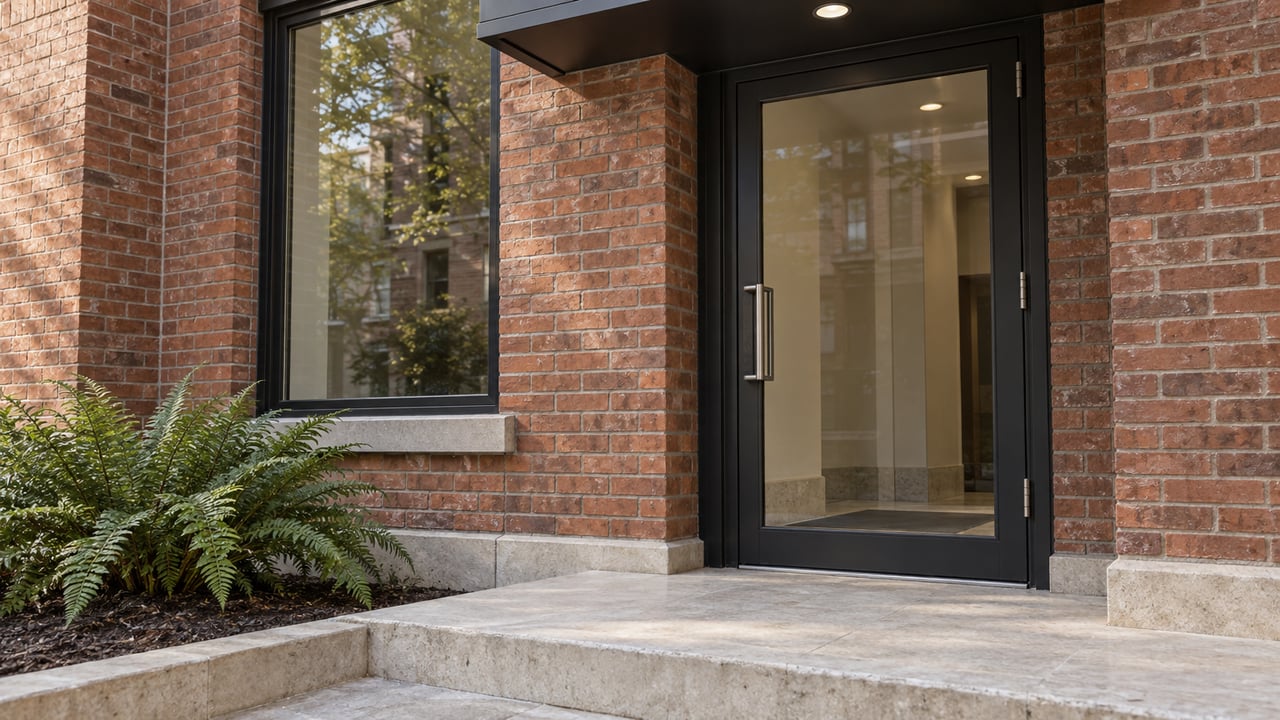
For many buyers, condo living is about simplifying daily life. If you want less exterior upkeep and a more predictable maintenance routine, a condo can be a practical fit.
Oakville still has a ground-oriented housing base, but newer supply is adding more apartment-style homes. According to the town’s housing data, 63% of 2024 housing completions were apartments, even though detached homes remain a much larger share of the overall housing stock.
What Condo Fees Usually Cover
One of the biggest questions buyers ask is what they are actually paying for each month. The Condominium Authority of Ontario explains that common expenses help fund common elements, reserve fund contributions, cleaning, building maintenance, and management.
That can make budgeting feel more straightforward because many building-related costs are pooled into one monthly line item. You are not arranging snow removal, exterior repairs, or common-area upkeep on your own.
The Trade-Off: Shared Rules and Rising Costs
Convenience comes with shared governance. Condo owners must follow the corporation’s governing documents, maintain their unit as required, and pay fees on time.
It is also important to know that condo fees are not fixed forever. The Condominium Authority of Ontario notes that common expenses can change as a corporation’s needs change, and owners can also face a special assessment if the corporation cannot cover certain costs.
In simple terms, condos often offer more predictable upkeep, but less personal control. You are buying into a community structure, not just a unit.
Why Status Certificates Matter
If you are buying a resale condo, the status certificate is one of the most important documents in the process. The Condominium Authority of Ontario says the status certificate includes the budget, reserve fund statement, arrears status, special assessments, insurance information, and litigation details.
This document can help you spot issues before you commit. It can also show whether the building appears financially prepared for major repairs and replacements.
Reserve Funds and Building Health
Not all condos perform the same way over time. Building-specific factors matter a lot, especially reserve fund strength, fee stability, and whether major capital work may be approaching.
The Condominium Authority of Ontario explains that reserve funds are required to pay for major repairs and replacements of common elements. If you are comparing condo options in Central Oakville, this is one of the smartest places to look beyond the listing photos.
Freehold Homes in Central Oakville
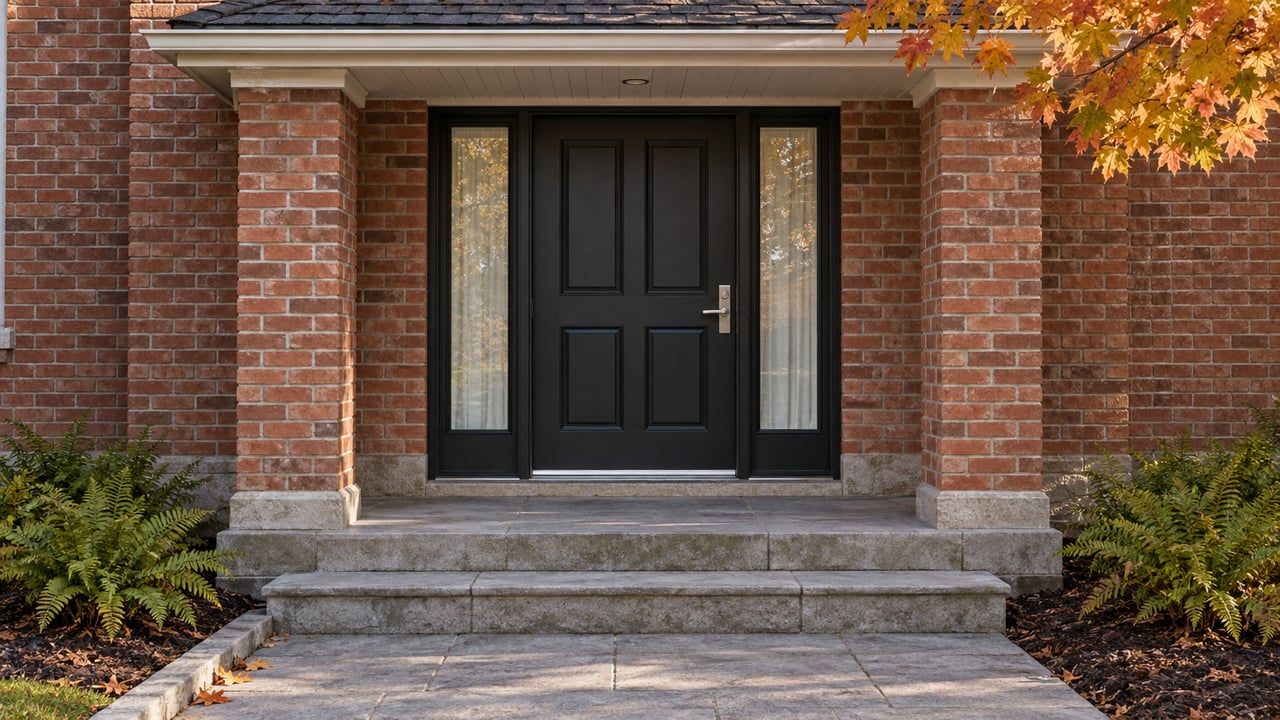
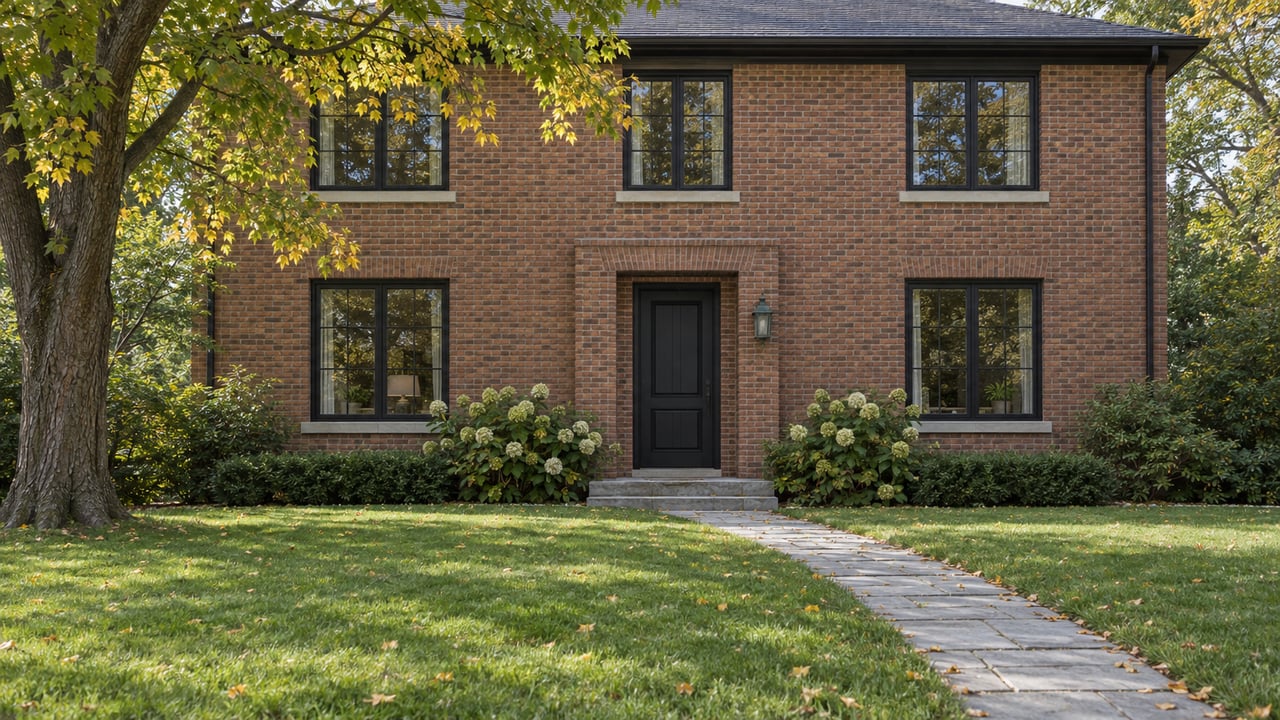
If you value privacy, control, and the ability to make decisions without board approval, a freehold home may feel like a better fit. In Central Oakville, that often means detached houses are front and center in the conversation.
Local sales patterns reflect that reality. TRREB’s 2025 Oakville Central community reporting shows that detached home sales outnumbered condo-apartment sales in the reported quarters, though small transaction counts mean quarterly swings should be read carefully.
More Control, More Responsibility
Freehold ownership gives you more control over your property and exterior decisions in general. But it also means you are responsible for all the costs that come with owning and maintaining the home.
The Financial Consumer Agency of Canada says homeowners should budget for mortgage payments, property taxes, insurance, utilities, landscaping, snow removal, and repairs. It also suggests a general guide of 1% to 3% of the home’s value each year for repairs and maintenance.
That does not mean every year will be expensive. It does mean your costs are often less packaged and more self-managed than they would be in a condo.
Property Tax and Ongoing Costs
Property tax is another part of the freehold math. Oakville’s 2026 interim residential tax rate is 0.417316%, which works out to about $34.78 per month per $100,000 of assessed value based on the town’s tax-rate page.
For a home with a $1,000,000 assessment, that is about $347.76 per month in interim property tax alone. When you add insurance, utilities, and maintenance, freehold monthly carrying costs can look very different from condo ownership.
Heritage Districts Can Affect Renovations
Central Oakville’s charm is part of its appeal, but older homes can come with extra planning requirements. Oakville has four heritage conservation districts, including Old Oakville and Downtown Oakville.
The town notes that a heritage permit is required to change designated heritage properties. If you are buying an older house for renovation potential, it is worth confirming whether the property sits within a heritage district and what that means for your plans.
Price Gap: Condo Versus Detached
For many buyers, budget narrows the choice quickly. Oakville’s Housing Needs Assessment estimated a maximum affordable price of $685,655 for a condo apartment versus $2,049,830 for a single-detached home under its 2024 assumptions.
That is a major gap, and it helps explain why condos can appeal to buyers who want Central Oakville access at a lower entry point. At the same time, detached homes remain the legacy product type in Oakville and continue to command significantly higher pricing.
Which Option Is Easier to Budget For?
This depends on how you like to manage money and risk. A condo often gives you a clearer monthly fee structure, while a freehold home usually requires you to build your own maintenance cushion.
Here is a simple comparison:
| Factor | Condo | Freehold Home |
|---|---|---|
| Monthly upkeep | More bundled into condo fees | More self-managed |
| Exterior maintenance | Shared through corporation | Owner responsibility |
| Flexibility for changes | Limited by condo rules | Usually greater flexibility |
| Surprise costs | Possible fee increases or special assessments | Repairs, maintenance, and seasonal costs |
| Parking considerations | May depend on unit and building | Usually on-site, depending on property |
If you value predictability, condo living may feel easier to manage month to month. If you want full control and are comfortable planning for repairs yourself, a freehold home may be worth the extra responsibility.
How Each Property Type May Perform
Recent GTA trends show a difference between detached homes and condos. TRREB reported that 2024 sales of single-family homes increased while condo-apartment sales declined, and its Q4 2025 condo report noted condo-apartment prices were down year over year.
In Central Oakville, detached homes also appear to have stronger presence in the market than condos, based on available quarter snapshots. Still, condo performance can be highly building-specific, while freehold performance often ties more closely to land, lot size, condition, and in some cases heritage character.
That is why broad market headlines only tell part of the story. In Central Oakville especially, the right choice often depends on the specific building, street, and long-term plan behind your move.
Questions to Ask Before You Decide
Before you choose between a condo and a freehold in Central Oakville, ask yourself:
- Do you want low-maintenance living or more control over the property?
- Would a monthly condo fee feel easier to plan for than variable repair costs?
- How important is walkability to Downtown Oakville or Kerr Village?
- Do you need parking, and if so, is it included or separate?
- If buying a house, does the property sit in a heritage district?
- If buying a condo, what does the status certificate say about the reserve fund, fees, and possible assessments?
The right answer is usually less about which property type is better in general and more about which one fits your lifestyle, cash flow, and long-term goals.
Final Thoughts on Central Oakville Living
Central Oakville offers two very different ownership experiences. Condos can give you convenience, lower maintenance, and a more accessible entry point into the area, while freehold homes can offer more privacy, more control, and stronger alignment with buyers who want long-term customization.
If you are comparing options in Oakville’s core, the details matter. Building finances, parking, heritage rules, taxes, and upkeep costs can all shape whether a property feels like the right fit. If you want tailored guidance on buying or selling in Central Oakville, connect with Raymond Pace for a private consultation.
FAQs
What do condo fees usually cover in a Central Oakville condo?
- Condo fees typically help pay for common elements, reserve fund contributions, cleaning, building maintenance, and management, according to the Condominium Authority of Ontario.
Can condo fees increase in Central Oakville buildings?
- Yes. Condo fees can rise over time as the corporation’s financial needs change, and owners may also face a special assessment in some cases.
Is a freehold home in Central Oakville more expensive to maintain?
- Often, yes. Freehold owners usually cover repairs, landscaping, snow removal, utilities, insurance, and other upkeep directly rather than through a shared monthly fee.
Do heritage rules affect Central Oakville houses?
- They can. Old Oakville and Downtown Oakville are heritage conservation districts, and designated heritage properties may require a heritage permit for certain changes.
Are condos cheaper than detached homes in Central Oakville?
- In general, yes. Oakville’s Housing Needs Assessment shows a large affordability gap between condo apartments and single-detached homes under the town’s 2024 assumptions.
Which is better for a downsizer in Central Oakville: condo or freehold?
- It depends on your priorities. If you want less day-to-day upkeep, a condo may be a better fit. If you want more privacy and control, a freehold home may suit you better.