Trying to choose between a freehold and a condo in Oakville’s River Oaks? You want the right fit for your budget, your time, and your lifestyle. In a neighbourhood with everything from stacked townhomes to detached homes, the options can feel overwhelming. This guide breaks down the differences, shows what to budget, and gives you checklists you can use right away. Let’s dive in.
Freehold vs condo basics
Freehold basics
With freehold ownership, you hold title to the land and the home. You are responsible for all maintenance, repairs, utilities, and insurance for the entire structure. You also must follow municipal bylaws and permits for any renovations.
Common freehold types in River Oaks include detached homes, semi-detached homes, and freehold townhouses. Property assessment is performed by MPAC, and you pay property taxes based on the Town of Oakville and Halton Region rates.
Condo basics
With condo ownership, you own your unit plus a shared interest in the common elements, such as hallways, roof, grounds, and amenities. A condominium corporation manages those common elements under Ontario’s Condominium Act, 1998. You pay monthly condo fees to cover common maintenance and the building’s reserve fund.
Condo buyers review a status certificate, which includes financial statements, bylaws, insurance details, recent minutes, and any special assessments. Owners elect a board of directors, and many buildings use professional property management.
Key differences to know
- Maintenance: In condos, the corporation maintains common elements. In freeholds, you handle all maintenance and repairs yourself.
- Control and restrictions: Condos have bylaws and rules that can limit pets, rentals, and renovations. Freeholds offer broader control within municipal zoning.
- Financial transparency: Condo buyers should review the status certificate. Freehold buyers focus on inspections, seller disclosures, and permits.
- Insurance: Condo owners buy unit insurance for contents and improvements, while the corporation insures common elements. Freehold owners insure the entire dwelling and liability.
River Oaks housing mix and fit
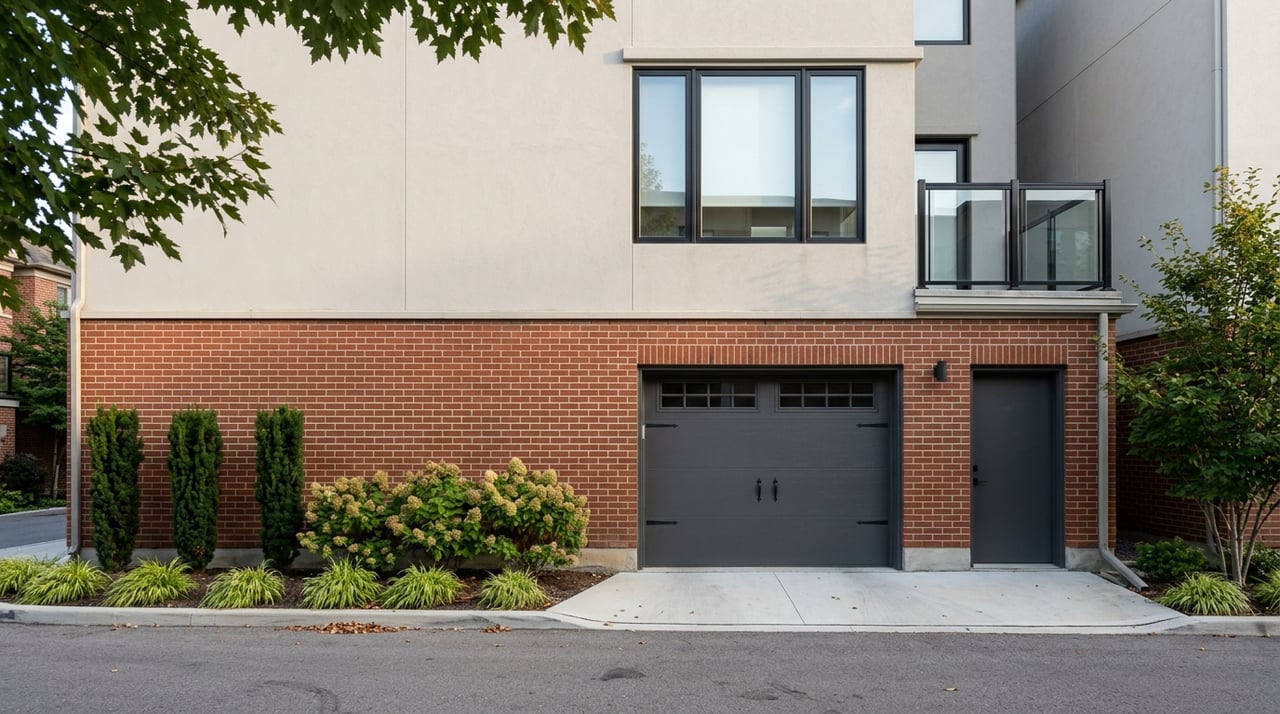
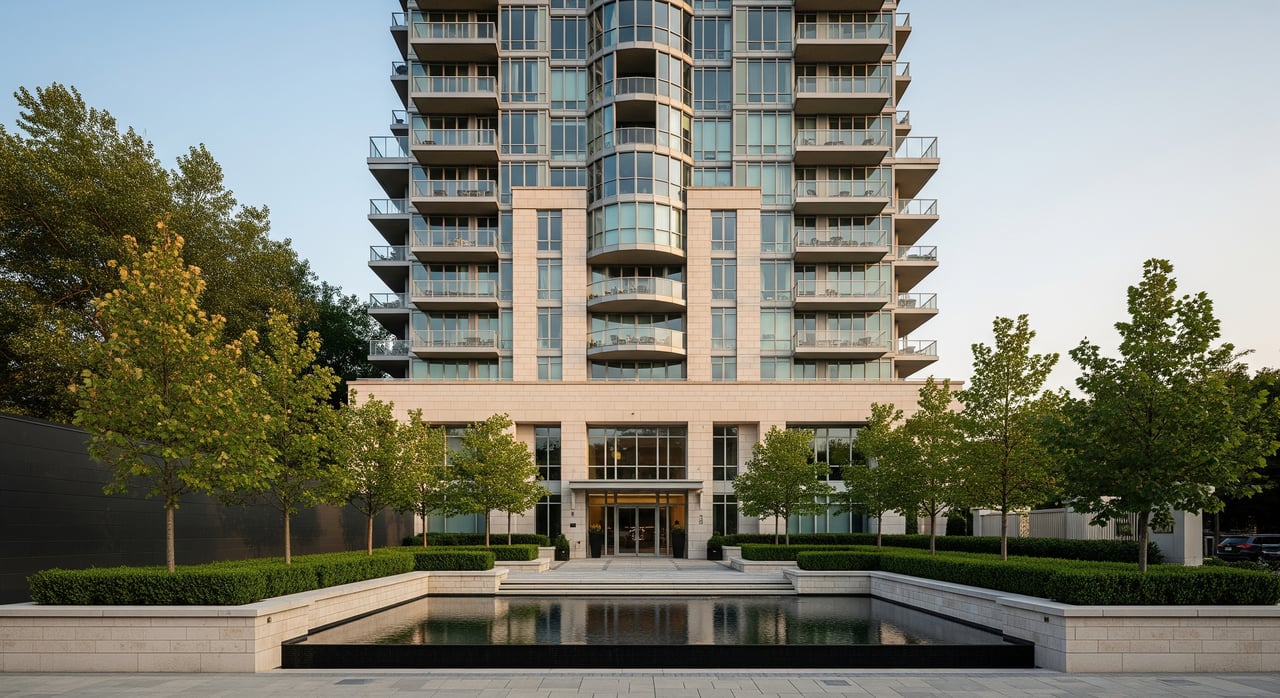
River Oaks offers a range of options that work for first-time buyers, families, commuters, and downsizers. You will find low-rise condo apartments and stacked townhomes that provide entry-level to mid-range pricing. Many of these buildings include 1 to 3 bedroom layouts with varying condo fees based on amenities.
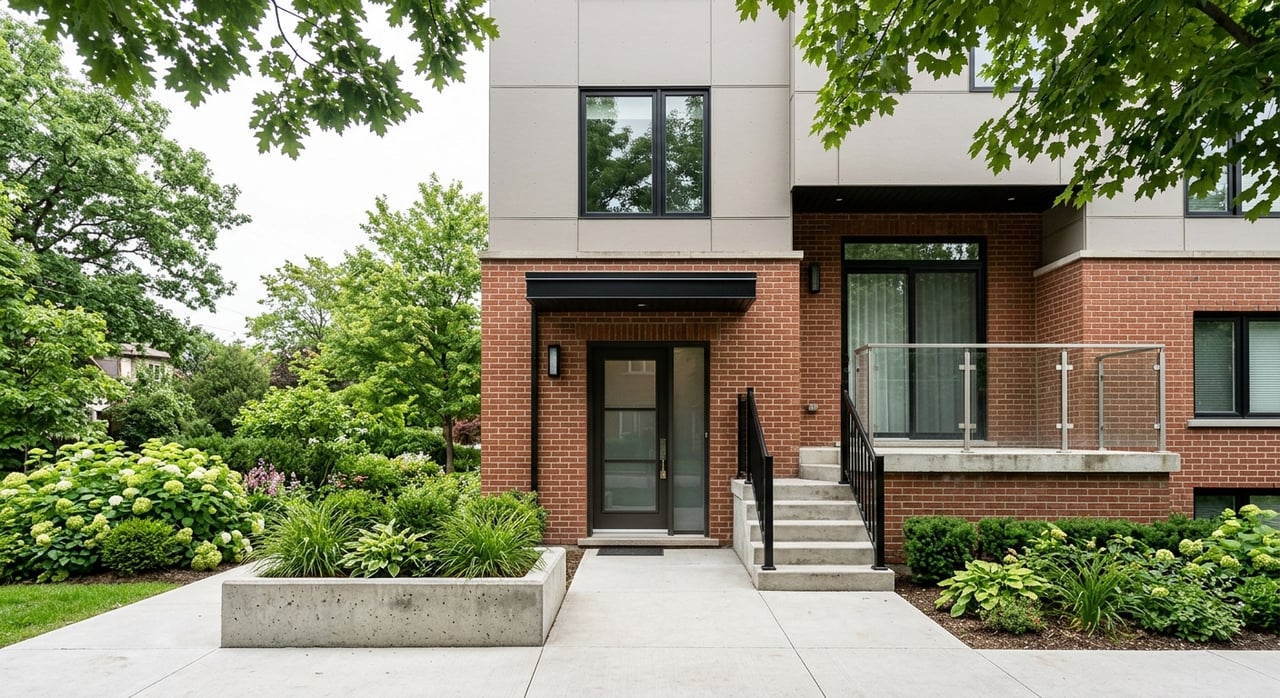
Freehold townhouses and semi-detached homes are common mid-tier choices, offering more autonomy than condos with a simpler maintenance profile than a detached home. Detached homes and bungalows sit in a higher price bracket and appeal to buyers who want private yards or single-level living.
Lifestyle drivers in Oakville include proximity to GO Transit, QEW/403 corridors, and local transit. River Oaks has access to parks, trails, and conservation lands. The Halton District School Board and Halton Catholic District School Board serve the area. If you are considering new-build vs resale, remember that new properties can have different cost structures, such as HST treatment and development charges.
Cost comparison: what to budget
Purchase price
Market prices shift with cycles and by property type. As a general guide, condos often provide more entry-level affordability, freehold townhouses and semis land in the middle, and detached homes command the highest prices. For exact figures in River Oaks, use up-to-date local MLS data and trusted market reports.
Recurring monthly costs
- Mortgage: Based on your purchase price, down payment, and rate.
- Property taxes: Calculated using MPAC assessment and the municipal rates for Oakville and Halton Region. Both condo and freehold owners pay property taxes on their property.
- Utilities: Some condos include certain utilities in monthly fees. Always confirm inclusions, such as heat or water.
- Condo fees: Cover common-area upkeep, building insurance for common elements, reserve fund contributions, management, and common utilities. In suburban Ontario, a broad ballpark ranges from about $200 to $800+ per month, depending on size and amenities. Review what is covered and past fee changes.
- Home maintenance (freehold): A common rule of thumb is 1% to 2% of the home’s purchase price per year set aside for maintenance and repairs. Older homes may require a larger reserve and occasional big-ticket replacements.
- Insurance: Freehold policies cover the entire dwelling and liability. Condo unit-owner policies cover contents, improvements, and potential exposure to the corporation’s deductible.
- Special assessments (condos): A corporation may levy a one-time assessment for major repairs or if the reserve fund is short.
One-time and closing costs
- Land Transfer Tax: Payable in Ontario on purchase, with a potential refund for eligible first-time buyers.
- Legal, title, and registration fees: Budget for your lawyer and necessary registrations.
- Home inspection: Recommended for freeholds, and also useful for townhouse or condo interiors.
- Status certificate and legal review: Condo buyers should obtain and have a lawyer review the status certificate before finalizing the deal.
- HST: Generally not payable on resale homes. New homes or condos may have HST implications and potential rebates. Consult a qualified professional.
Resale and investment factors
- Appreciation drivers: Location, lot size, and local demand are key. Condos can appreciate, but they may be sensitive to oversupply and policy changes.
- Marketability: Lower price points can widen the buyer pool for condos. A building’s investor concentration, reserve fund health, and bylaws can influence resale appeal.
- Carrying cost sensitivity: High condo fees or high property taxes reduce monthly affordability and can affect pricing.
Lifestyle trade-offs
Condo pros and cons
- Pros
- Lower day-to-day maintenance and convenient amenities
- Security features and building services
- Often a good fit for downsizers or busy lifestyles
- Cons
- Ongoing condo fees and possible special assessments
- Rules on pets, rentals, and renovations
- Less control over common elements and board decisions
Freehold pros and cons
- Pros
- More control over your property and improvements
- Private yard space and potential for land-driven appreciation
- Attractive for families and outdoor living
- Cons
- All maintenance and repair costs are yours
- Higher time and budget demands for upkeep
- Unexpected repairs can impact cash flow
Due diligence checklists
If you are buying a condo
- Status certificate and documents
- Review financial statements, reserve fund balance, and latest reserve fund study
- Read recent meeting minutes for upcoming projects, complaints, or legal matters
- Confirm any special assessments, upcoming fee increases, or major capital work
- Check rules on pets, rentals, renovations, and parking or locker rights
- Management and governance
- Confirm professional management and board stability
- Frequent management changes or board turnover can be a concern
- Building condition and insurance
- Consider the building’s age and common-element condition, including envelope and structural items
- Review the corporation’s insurance coverage and deductibles
- Community and parking
- Note the owner-occupier vs investor mix
- Confirm parking and storage details
If you are buying a freehold
- Inspection and systems
- Hire a licensed home inspector and consider specialized inspections if needed
- Confirm ages of roof, windows, furnace, water heater, and other major components
- Permits and renovations
- Verify that any additions or finished spaces were properly permitted
- Lot and surroundings
- Check grading, drainage, sump pump history, tree issues, and any easements or shared driveways
- Planning and boundaries
- Review zoning and nearby planning applications
- Confirm legal descriptions and property boundaries with a survey or reference plan
Quick budget model you can use
- Inputs
- Purchase price and down payment
- Mortgage rate and term
- Property tax rate for Oakville and Halton Region
- Condo fees if applicable
- Estimated utilities
- Annual maintenance reserve percentage
- Insurance costs
- Output
- Monthly total housing cost equals mortgage payment plus property taxes divided by 12, insurance divided by 12, utilities, condo fees if any, and a monthly maintenance reserve
- Tip
- Build two side-by-side scenarios. Compare a condo and a similar-priced freehold so you can see how condo fees and freehold maintenance reserves change your monthly total.
River Oaks next steps
- Get pre-approved to set your budget and show sellers you are serious.
- Rank your priorities. Think about commute, walkability, nearby parks and trails, maintenance tolerance, and single-level living needs.
- Review recent River Oaks sales by property type and age. New-build and resale can have different cost and tax implications.
- Use the checklists in this guide at showings. Confirm parking, locker, and utility inclusions for condos, and permits and component ages for freeholds.
You do not have to sort this out alone. If you want local context on River Oaks buildings and streets, a clear cost comparison, and a smart offer strategy, connect with Raymond Pace. Book a Private Consultation and get a tailored plan for your next move.
FAQs
What do condo fees cover in Oakville condos?
- They typically fund common-area maintenance, building insurance for common elements, reserve fund contributions, management, and shared utilities or amenities. Always verify inclusions and fee history in the status certificate.
How do I request and read a condo status certificate?
- Ask the seller or property manager to provide it, then have a condo-savvy lawyer review the financials, reserve fund study, bylaws, rules, insurance, meeting minutes, and any special assessments before you firm up your offer.
How much should I budget for freehold maintenance?
- A common guideline is 1% to 2% of the home’s purchase price per year, with higher allowances for older homes or when big-ticket systems are nearing replacement.
Are there first-time buyer rebates in Oakville?
- First-time buyers in Ontario may qualify for a provincial Land Transfer Tax refund. Confirm eligibility and amounts with your lawyer or lender before you purchase.
Why do reserve fund studies matter for condos?
- They forecast long-term repair needs and guide the level of reserve fund contributions. A well-funded plan helps reduce the risk of large fee hikes or special assessments.
What triggers a condo special assessment?
- Major repairs or replacements when the reserve fund is inadequate, unexpected building issues, or cost overruns on planned projects can lead to a one-time levy.
For downsizers in Oakville, condo or bungalow?
- It depends on your maintenance tolerance and desired independence. Condos reduce daily upkeep and offer amenities, while bungalows provide freehold control with single-level living.
How does River Oaks location affect long-term value?
- Proximity to GO stations, major corridors, local transit, parks, trails, and community services can influence demand. Buyers also consider nearby schools and conservation areas when evaluating properties.