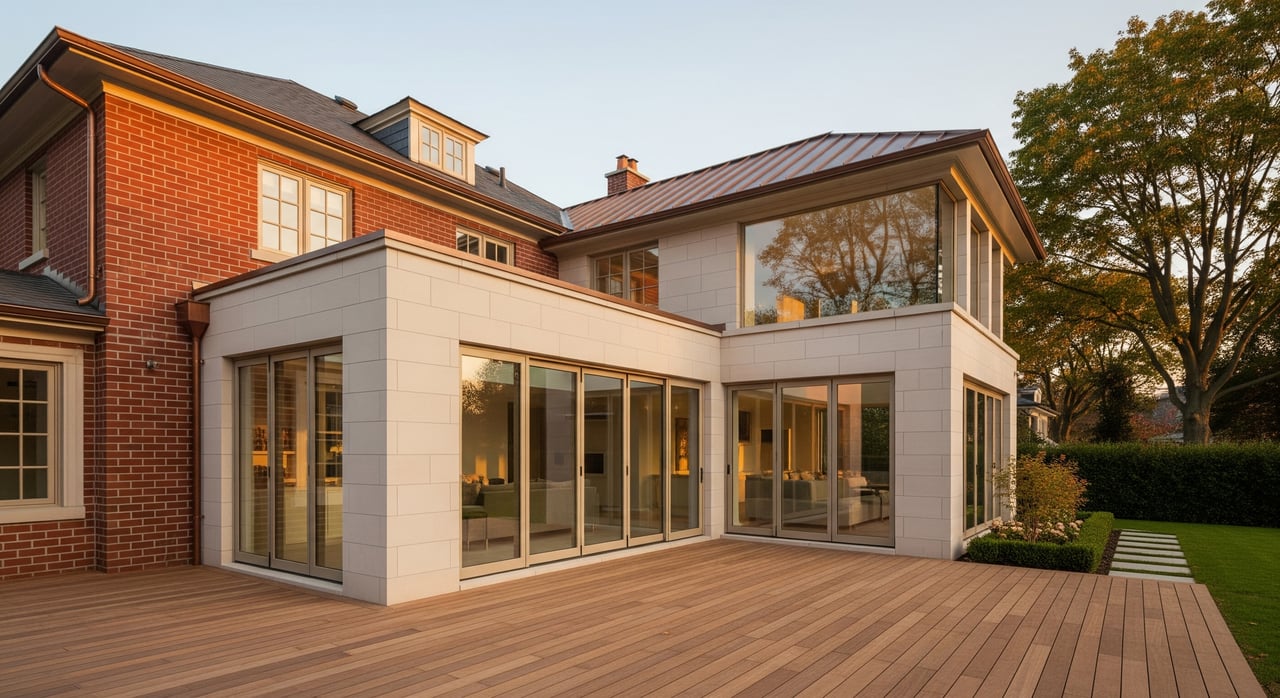
Thinking about adding space without leaving the Oakville neighbourhood you love? The path from idea to approved addition can feel murky, especially when zoning, setbacks, conservation rules and inspections are involved. You want a smooth process, a compliant design and a finished space that supports your lifestyle and resale. This guide gives you a clear roadmap for Oakville additions, from first zoning checks to permits, Conservation Halton approvals, inspections, timelines and a ready-to-use checklist. Let’s dive in.
Zoning and lot limits
Your first stop is Oakville’s Zoning By-law. It sets what you can build and where, with rules for permitted uses, front/side/rear yard setbacks, maximum lot coverage, building height and minimum landscaped area. These numbers drive the size and placement of your addition.
Town policies in the Official Plan also matter. Some areas have special context, such as stable neighbourhood policies or heritage overlays, that influence design and massing. Before sketching square footage, confirm your property’s zoning and any policy layers.
A smart early step is to obtain a zoning summary or have your designer confirm compliance. This helps you right-size the addition and avoid preventable redesigns.
Planning approvals you may need
If your concept does not fully meet the by-law, you may need a Committee of Adjustment approval. The most common is a minor variance for items like reduced side yard, increased coverage or height. Infrequently, a consent (severance) is involved if lot lines change.
Some multi-unit or larger projects trigger Site Plan Control. Most single detached additions do not, but infill or multifamily situations can. Early confirmation saves time later.
Heritage and tree rules
If your property is designated or within a heritage conservation district, you will need heritage approvals in addition to your building permit. Expect design review and heritage permit steps.
Oakville also protects private trees. Removing significant trees or working near them can require a permit, a tree protection plan or replacement planting. Plan to involve an arborist early if mature trees are close to the work area.
Setback details to confirm
Small elements can affect compliance. Eaves, bay windows, porches, steps and roof overhangs often have specific projection rules. Easements, party walls and any registered restrictions must be checked before finalizing the layout. Confirm all measurements from property lines, not fences, to avoid boundary mistakes.
Building permit basics
Building permits are issued by the Town’s Building Services under the Ontario Building Code. The typical path is application submission, technical review, permit issuance, staged inspections and final sign-off. Both you and your contractor share responsibility for compliance, but you as the owner are ultimately accountable for ensuring permits are in place before construction.
The review is technical and can include building, plumbing, HVAC, structural and energy efficiency checks. Submitting a complete, accurate package is the fastest way to shorten timelines.
What to include in your application
A complete Oakville addition submission usually contains:
- Application form and owner/contractor details.
- Site plan with property lines, existing and proposed structures, setbacks, driveway, any septic/well, tree locations and grading notes.
- Floor plans, existing and proposed, with room labels and dimensions.
- Exterior elevations showing finished heights and rooflines.
- Building sections for foundation, wall, floor and roof assemblies.
- Foundation plan and structural details.
- Structural engineer’s drawings and letters for any altered structural elements or new beams/openings.
- HVAC layouts and ventilation strategy that meet the Ontario Building Code.
- Plumbing layouts if water or sewer changes are involved.
- Energy compliance documentation for insulation, airtightness and heat-loss calculations.
- Lot grading or drainage plan to manage runoff and protect neighbours.
- Tree protection plan or arborist report where trees are affected.
- Heritage documentation if the property is designated or in a district.
Who to hire
Most successful projects rely on a small team:
- Registered designer, architect or technologist to produce permit-ready drawings.
- Structural engineer for foundations, large openings, beams and retaining walls.
- Arborist when mature trees or protection zones are involved.
- Civil or grading consultant if site grading, stormwater or retaining walls are required.
- Heritage consultant for designated properties.
Inspections to expect
After the permit is issued and work begins, plan for staged inspections. Common milestones include footing/excavation, foundation and underground plumbing, framing, HVAC rough-in, plumbing rough-in, insulation and air/vapour barrier, and final completion. There can also be inspections for grading, tree protection and, where applicable, Conservation Halton conditions.
Conservation Halton overview
If your property is near a creek, valley, wetland or other natural hazard, Conservation Halton may regulate the site. In that case, a conservation permit can be required in addition to your Town building permit. This often applies within floodplains, valley corridors, hazardous slopes or no-build buffers.
The safest approach is to confirm early. Check the regulation mapping and consider a pre-consultation if your lot is anywhere near regulated features. The Town and Conservation Halton coordinate, but you are responsible for securing both approvals when needed.
Conservation process and timing
Conservation permits typically require plans that show the proposed work area, grading and erosion controls. Depending on location and risk, additional studies such as stormwater, geotechnical or ecological reports may be needed. Timelines range from a few weeks to a few months based on complexity and whether studies are required. In some cases, the conservation permit must be in hand before the Town can issue your building permit.
Timelines and fees
No two additions are the same, but planning realistic expectations helps keep your project on track.
- Zoning check or informal pre-consultation with the Town: a few days to about two weeks, depending on staff availability and meeting format.
- Design and reports: two to eight weeks, more if structural or grading engineering is needed.
- Building permit review: a couple of weeks for simple, complete applications, to several months for complex submissions or those needing revisions.
- Conservation Halton review: several weeks to a few months when studies are required.
- Committee of Adjustment minor variance: typically six to twelve weeks from application to decision, governed by meeting schedules and notice periods.
- Construction: weeks for a small room addition, several months for larger or second-storey work.
Fees are typically based on the declared construction value, with separate plan review, plumbing and application fees. Planning applications, tree permits and heritage permits are separate. Securities or letters of credit can be required for grading, landscaping or tree protection.
Step-by-step plan
Use this simple sequence to keep momentum and reduce surprises:
- Confirm zoning and context. Identify zoning designation, setbacks, lot coverage and any heritage or neighbourhood policies.
- Gather base information. Obtain a recent survey or site plan and list any easements or restrictions.
- Screen for constraints. Note nearby creeks, valleys, slopes or wetlands, and the presence of mature trees.
- Build your team. Engage a designer and, as needed, a structural engineer, arborist, heritage consultant or grading professional.
- Pre-consult where needed. Ask the Town about zoning compliance and, if near regulated features, consult Conservation Halton.
- Finalize the design. Right-size to fit setbacks, lot coverage and height. Incorporate tree protection and grading solutions.
- Secure planning approvals. If a variance is required, apply to the Committee of Adjustment and allow time for the hearing.
- Apply for conservation permits. Where regulated, submit to Conservation Halton and coordinate timing with the Town.
- Submit for the building permit. Provide complete drawings and technical documents to speed review.
- Construct and inspect. Follow permit conditions, maintain tree and erosion protection, and complete all inspections to close the permit.
Starter checklist
Use this checklist to get organized before hiring and applying:
- Property details: legal description, lot size, zoning designation and any overlay areas.
- Survey or recent site plan with grades, trees and structures.
- Existing approvals, easements and restrictive covenants.
- Site photos of all elevations and the proposed addition area.
- Utilities: water and sewer connections, or private well/septic details and service locations.
- Project program: target square footage, room count, one or two storeys, basement plans and parking impacts.
- Constraints: proximity to creeks or slopes, mature trees, heritage status, neighbourhood character.
- Budget range and desired timeline.
- Shortlist of professionals: designer or architect, structural engineer, arborist, grading engineer, builder.
- Permit package checklist: drawings and documents listed in the “What to include” section.
- Pre-application plan: decide whether to book meetings with the Town or Conservation Halton.
Red flags to watch
- Properties beside valleys or streams often require conservation permits, added studies and longer timelines.
- Heritage status can require design review, material considerations and extra approvals.
- Mature trees may be protected. Plan for tree protection zones, mitigation or replacement planting.
- Grading and drainage changes can create neighbour issues. Engineer solutions early.
- Zoning variances are not guaranteed. You need a planning rationale, and community feedback can influence outcomes.
How The Pace Team helps
Adding space should strengthen your lifestyle and your long-term value. You want confidence that the design fits local norms, that your timeline is realistic and that you are investing where buyers see benefit. That is where local market expertise matters.
The Pace Team combines decades of Oakville experience with a consultative, boutique approach. We help you gauge market fit for your proposed addition, from typical bedroom counts to functional layout expectations. We connect clients with trusted local designers, engineers and builders, and we help you plan sale or move timing if your addition is part of a larger life change. Our goal is to reduce friction so your project and your next move both land smoothly.
Ready to talk through your plans and the market impact before you commit? Book a Private Consultation with The Pace Team to get local, practical guidance for your next step.
FAQs
Do I need a building permit for a second-storey addition in Oakville?
- Yes. Additions require a building permit under the Ontario Building Code, and you must pass staged inspections before final sign-off.
How close can I build to my property line in Oakville?
- Setbacks vary by zoning. Confirm your lot’s side, rear and front yard requirements before designing, and request a minor variance if dimensions cannot comply.
What is the Committee of Adjustment process for a variance?
- You apply for the variance, the Town circulates notice, and a public hearing is held. From application to decision usually takes six to twelve weeks depending on schedules.
When is Conservation Halton approval required for an addition?
- If your lot is within a regulated area such as a floodplain, valley or wetland buffer, you need a conservation permit in addition to the Town’s building permit.
Who is responsible for obtaining permits, the owner or the contractor?
- Both parties must comply, but the owner is ultimately responsible for ensuring permits are obtained before construction and that all inspections are completed.