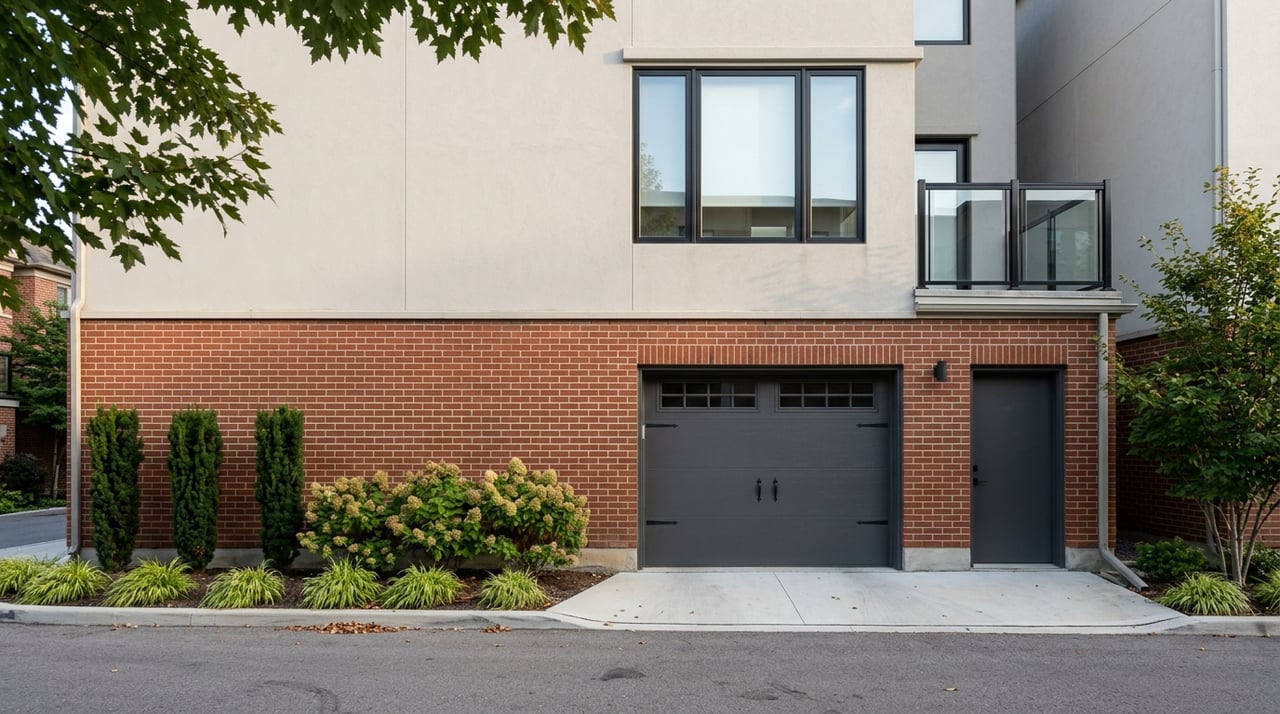
Looking for a home that feels more spacious than a condo but easier to manage than a detached house? That is exactly why many buyers focus on River Oaks and Uptown Core. If you are comparing townhomes and carriage-style homes in this part of Oakville, understanding ownership, parking, and the area’s growth story can help you make a smarter decision. Let’s dive in.
River Oaks and Uptown Core at a glance
River Oaks and Uptown Core sit within one of Oakville’s most connected and evolving areas. Oakville has about 244,000 residents, 255 kilometres of active recreational trails, 1,863 hectares of parkland, and access to the QEW, Highway 403, Highway 407, and GO Transit.
Within that broader setting, Uptown Core is identified by the Town of Oakville as a growth area between Dundas Street and Glenashton Drive, and between Sixth Line and Trafalgar Road. The plan for this area supports a walkable, transit-supportive, mixed-use urban centre with housing, offices, and retail and service uses.
That matters when you buy here. You are not just choosing a home style. You are also buying into a neighbourhood that continues to change, add amenities, and attract long-term interest from buyers who want convenience and flexibility.
What housing types you may find
River Oaks is not a one-style neighbourhood. Town planning documents describe a mix of residential densities and community uses along Sixth Line, including parks, community centres, and schools, with row townhouses in some areas and mid-rise residential buildings in others.
For buyers, that means listings can feel very different even within the same general area. One home may feel more like a traditional row house, while another may have a more urban layout closer to apartment-style living.
Traditional row townhomes
These homes often offer the most house-like feel of the group. You may get a more conventional floor plan, direct ground access, and more clearly defined private outdoor space.
If you want more separation from neighbours and a layout that feels familiar, this style may be the easiest transition from a detached or semi-detached home.
Back-to-back or stacked townhomes
Oakville planning documents also show three-storey back-to-back townhouse forms in medium-density developments. These homes can provide an entry point into the area for buyers who want the location and lower-maintenance lifestyle.
The trade-off is usually outdoor space. Compared with a traditional row townhome, these layouts often offer less private yard space and a more compact footprint.
Rear-lane and carriage-style homes
Oakville’s design guidance includes rear-lane townhouses on common-element condominium roads. These homes are typically accessed from a public laneway behind the unit, often include attached garages, and are usually built in 2- to 3-storey forms.
In local real estate language, a “carriage home” is usually a style label, not a separate legal category. In practical terms, buyers often use it to describe homes where the garage access is at the back or side, creating a more pedestrian-friendly front façade.
Why parking layout matters so much
Parking is one of the most overlooked parts of a townhouse search. In River Oaks and Uptown Core, it can affect daily convenience, storage, curb appeal, and how the home feels from the street.
Oakville’s zoning rules distinguish between homes accessed by a rear lane and homes with more traditional driveway setups. The Town also sets standards around garages and driveway widths, so the layout is not random. It is part of how the home functions.
Front-loaded townhomes
These homes usually offer simple driveway access. If you want easy in-and-out parking or a more direct setup for unloading groceries, sports gear, or strollers, this layout may appeal to you.
The trade-off is that more of the front elevation may be taken up by the garage and driveway. That can reduce green space and change the look of the streetscape.
Rear-lane or carriage-style parking
Rear-lane homes move the garage access away from the front façade. Many buyers like this because the front of the home feels more welcoming and less dominated by parked cars.
This setup can create a more walkable feel along the street. Still, you will want to confirm how the lane works, where guest parking is located, and whether the lane or internal road is a common element.
Ownership matters more than style
Two homes can look almost identical from the outside and still come with very different ownership structures. That is one of the biggest issues to understand before you buy.
According to CMHC, a condominium is a form of ownership, not a building style. Townhomes, rowhouses, and stacked townhouses can all be condominiums, which means your rights, responsibilities, and monthly costs may differ a lot from a freehold property.
Freehold townhomes
A freehold-style townhome usually gives you more direct control over the property and repairs. That can appeal to buyers who want fewer shared rules and more independence.
At the same time, more of the upkeep may fall directly on you. You should budget for exterior maintenance, snow removal, landscaping, and long-term repairs.
Condo townhomes and freehold condominiums
With condo-style ownership, monthly common expenses often help cover items like maintenance, snow removal, landscaping, garbage collection, utilities, insurance, management, and reserve fund contributions. That can make day-to-day ownership feel simpler for some buyers.
The trade-off is shared governance and recurring monthly fees. If you value lower exterior maintenance, this may be a strong fit, but you should understand exactly what the fee includes.
What to review before making an offer
If you are serious about a River Oaks or Uptown Core townhome, a few checks can save you from surprises later. This is especially important when comparing homes that appear similar but function differently.
Here is a practical checklist to use:
- Confirm whether the property is freehold, freehold condominium, or condo townhome.
- Check the parking setup, including garage access, driveway length, visitor parking, and whether a lane or road is a common element.
- If it is a condo, review the status certificate, budget, reserve fund, declaration, by-laws, and rules before removing conditions.
- Compare monthly fees with what you would likely spend on exterior upkeep in a freehold setting.
- Consider how nearby future development and transit changes may affect convenience, traffic, and resale over time.
In Ontario, resale condo buyers may request a status certificate. Ontario consumer guidance also notes the value of reviewing the corporation’s documents before moving forward.
Lifestyle and amenities nearby
One reason buyers keep coming back to this area is that it offers more than just housing. Uptown Core was planned as a mixed-use area where living, shopping, working, and leisure all connect more closely than in a purely residential subdivision.
Town materials describe a mixed-use spine along Oak Park Boulevard, with low- and mid-rise buildings that include ground-floor retail and residential uses above. The broader commercial core also includes larger-format retail uses.
Parks and outdoor space
The local open-space network is a real advantage. The Town identifies Memorial Park as the largest park in Uptown Core, with open space, community garden plots, a playground, a dog park, and stormwater ponds.
Other local green spaces include Fowley Park, Nipegon Trail, and Windfield Parkette. Across Oakville as a whole, the Town reports 255 kilometres of active recreational trails and 1,863 hectares of parkland.
Recreation facilities
River Oaks Community Centre at 2400 Sixth Line is a major local hub. It includes a twin-pad arena, fitness centre, indoor track, squash and racquetball courts, and multi-use community rooms.
The expanded Sixteen Mile Sports Complex at 3070 Neyagawa Boulevard is also open as of spring 2026. It combines sports fields, courts, a splash pad, playground, trails, a four-pad arena, a community centre, and a new library branch.
Transit and connectivity
Transit is an important part of the value story here. Oakville Transit operates accessible conventional bus service, and recent service updates strengthened all-day service on Trafalgar Road between Uptown Core and Oakville GO seven days a week.
The Town also introduced Route 37 for north Oakville, which connects with Uptown Core Terminal. For many buyers, that adds flexibility without giving up the benefits of ground-related living.
How future growth may affect your decision
Uptown Core remains one of Oakville’s main growth areas, and the Town continues to review future policies for the area. Planning work addresses housing, commercial uses, transit, parks, and public spaces.
There is also planning attention on mixed-use redevelopment along a future higher-order transit corridor on Trafalgar Road. For buyers, this can be a plus because growth often supports more amenities and long-term demand.
Still, growth can also bring change. Construction, evolving traffic patterns, and transitions in nearby land use are worth factoring into your timeline and resale plans.
Who this area may suit best
River Oaks townhomes and carriage-style homes often appeal to buyers looking for a middle ground. You may want more private space and parking than a typical apartment can offer, but without taking on the full responsibilities of a larger detached property.
This area can also make sense if you value a connected Oakville location with parks, community facilities, shopping, and transit all part of the daily picture. The key is to compare homes beyond price alone and focus on layout, ownership, and long-term fit.
When you are evaluating a River Oaks or Uptown Core property, the details matter. A well-informed purchase starts with understanding how the home works today and how the area may evolve over time. If you want expert guidance on comparing Oakville townhome options, book a private consultation with Raymond Pace.
FAQs
What is a carriage home in River Oaks or Uptown Core?
- In local real estate use, a carriage home is usually a style label for a home with rear-lane or side garage access, not a separate legal housing category.
What should you check before buying a River Oaks townhome?
- You should confirm the ownership type, parking layout, garage access, visitor parking, monthly fees if any, and condo documents such as the status certificate, budget, reserve fund, by-laws, and rules.
Are River Oaks townhomes freehold or condominium?
- They can be either, because townhouse style does not determine ownership structure, so you need to verify whether the home is freehold, freehold condominium, or condo townhome.
Why does parking layout matter in Uptown Core townhomes?
- Parking layout affects convenience, storage, curb appeal, guest parking, and how much of the front of the home is taken up by driveway or garage space.
Is Uptown Core still growing in Oakville?
- Yes, the Town identifies Uptown Core as an active growth area and continues planning for future housing, commercial uses, transit, parks, and public spaces.
What amenities are near River Oaks townhomes?
- Buyers can find nearby parks, trails, community facilities, shopping areas, bus connections, River Oaks Community Centre, and the expanded Sixteen Mile Sports Complex.